Colombian coffee
Direct from Origin • Family Owned
We Grow It • We Export It
• You Get It Direct
Four generations of one Colombian family. Our farms in Huila and Cundinamarca. Over 5,000 allied producer families across four regions. Rainforest Alliance certified, Fair Trade, FNC registered.
We are not a trading company. We are the Origin.
Green coffee for importers and roasters who want full traceability. Roasted coffee and private label for businesses that want Colombian quality under their brand. All of it backed by the same family that has been in these mountains since the 1940s.
Specialty · Regional · Microlots
Green Coffee

Single origin, 100% Colombian Arabica. Grown on our own farms and with allied families across Huila, Cundinamarca, Tolima, and Sierra Nevada. Specialty, Regional, and Standard selection available. Full traceability, certified, and exported directly from origin.
Roasted Coffee
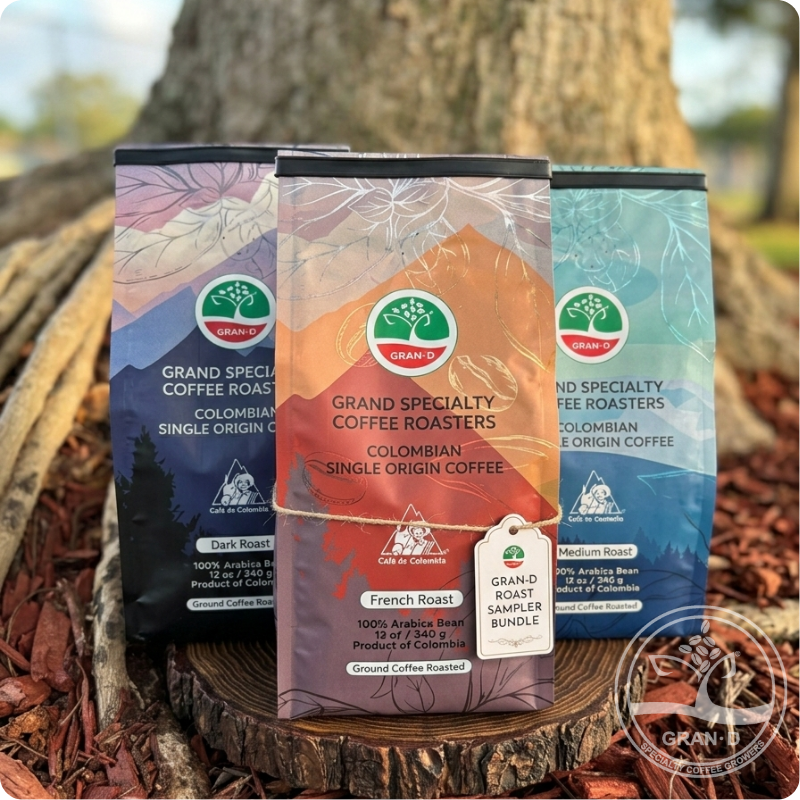
The same Colombian origin, taken one step further. We roast in Colombia and Canada for restaurants, retailers, and brands across North America, Europe, and the Middle East. Private label or our own Gran·D retail line in whole bean, ground, and capsules.
Allied Producer Families in different regions
Growing Altitude High-Altitude Arabica
Containers 20ft/month Regional Coffees
We Own the Farms.
We Control the Process
Our farms in Huila and Cundinamarca have been in the family since our great-grandfather planted the first seeds here in the 1940s. Hacienda San Gabriel in Arbeláez sits between 1,800 and 2,000 meters above sea level. Hacienda Barinas in Gigante, Huila, sits at 1,700 meters, surrounded by citrus trees and plantain that work their way into the flavor of every lot we produce.
We did not source these farms. We were born into them.
Beyond our own land, we had spent fifteen years building alliances with over 5,000 producer families across Huila, Cundinamarca, Tolima, and Sierra Nevada. Every family in that network works under the same quality standards and sustainable practices we hold on our own farms. We trains them, visits them, and buys their coffee because he knows exactly how it was grown.
When you buy from Gran·D, you are not buying from a trader who visited Colombia once. You are buying from the family that has been on that land for four generations, that knows every altitude, every harvest window, and every picker by name.
That is what direct from origin means to us.
The People Who Work This Land
A farm is not just soil and altitude. It is the people who show up every morning and know exactly what they are looking at.
In Huila, the women of the ASMUJER cooperative have been picking coffee by hand for years. They work our farms and the farms of our allied families. They know the difference between a cherry that is ready and one that needs another day. That judgment is what makes specialty coffee possible.
Their children grow up watching this. Through Seeds for a Better World, our nonprofit based in Luxembourg, we support the education of those children. Because the communities that grow this coffee deserve as much care as the coffee itself.
Gabriel has led this certification process personally across our own farms and across the allied producer network. It took years. It is maintained every single season.
When you see these certifications on a Gran·D bag, you know someone walked that farm to earn them.
from seeds to export
Growing
Our farms in Huila and Cundinamarca produce four quality types, Specialty, Regional, Standard, and Regular selection. Every plant is tended by hand throughout the growing cycle. The altitude, the soil, and the surrounding vegetation do the rest.
Harvesting
The same day the cherries are picked, they go to the wet mill. Flotation separates quality grades immediately. The cherries that float are removed. The ones that sink, the densest and most mature, move forward. Nothing lower quality continues in the process.

Picking Cherries
Every cherry passes through a manual selection table before pulping. This is where we separate 100% ripe cherries from the rest, and because someone looks at every cherry with their own eyes, the Specialty selection is confirmed at this stage before anything moves forward.
Pulping Cherries
Each batch is pulped separately to protect the traceability of every lot. The outer skin and pulp, what we call the mucilago, are removed from the cherry, leaving the inner bean clean and ready for drying. Keeping batches separate at this stage is what makes full traceability possible later.
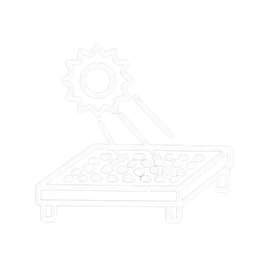
Sun Drying
The washed beans move to raised beds the same day they are pulped. They dry naturally in the Colombian sun for 18 to 20 days, turned by hand at regular intervals until they reach exactly 12.5 to 13.5% moisture. No mechanical drying. The sun and the altitude do the work.
Milling Beans
Once dried, the beans go through shell removal and size classification. Every lot is then cupped by our team. The cupping result determines the final category, Specialty or Fine Selection. Volume never drives that decision. The cup does.
Packaging
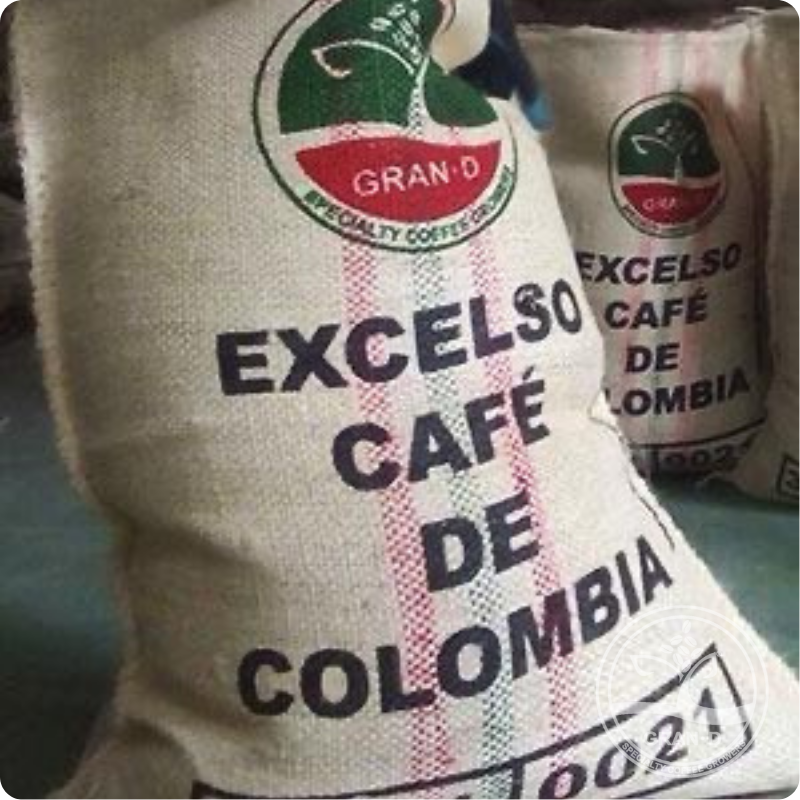
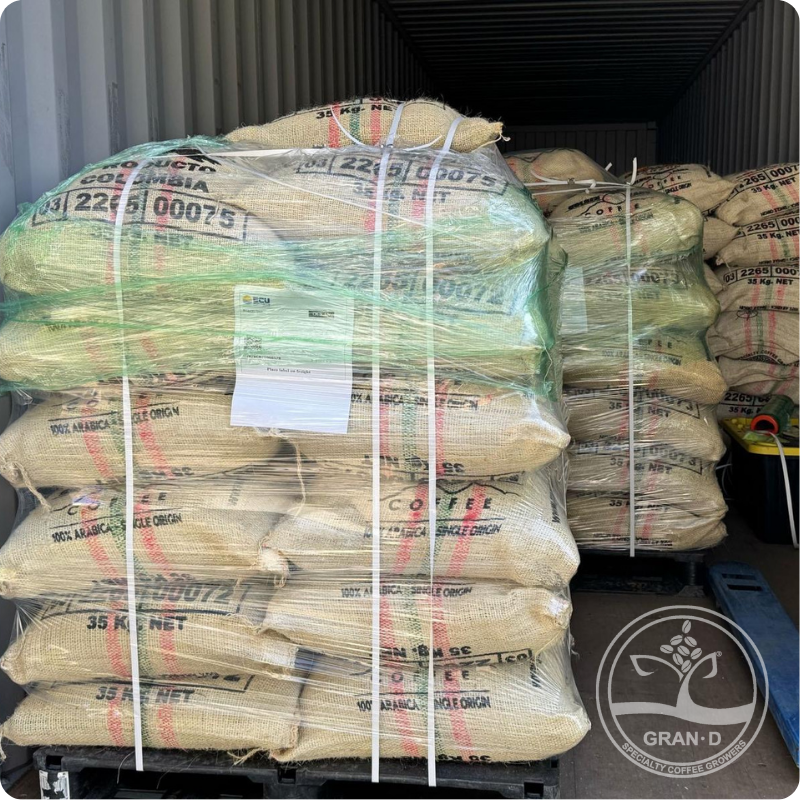
Each lot is packed into 35kg jute bags with GranPro hermetic lining and labelled with the export tag, lot number, and harvest information. Every bag is sealed and protected before it leaves our facility. Nothing ships without complete documentation.
Exporting
The pallets travel to Buenaventura or Cartagena for container loading. Before any shipment leaves Colombia, the Colombian Coffee Growers Federation inspects, certifies, and authorizes the export. That certification travels with your coffee to wherever it is going.